Be certain across every bank branch interaction
Catch fraudsters and counterfeit IDs at account openings, teller transactions, and other in-person interactions, before theycompromise downstream decisions
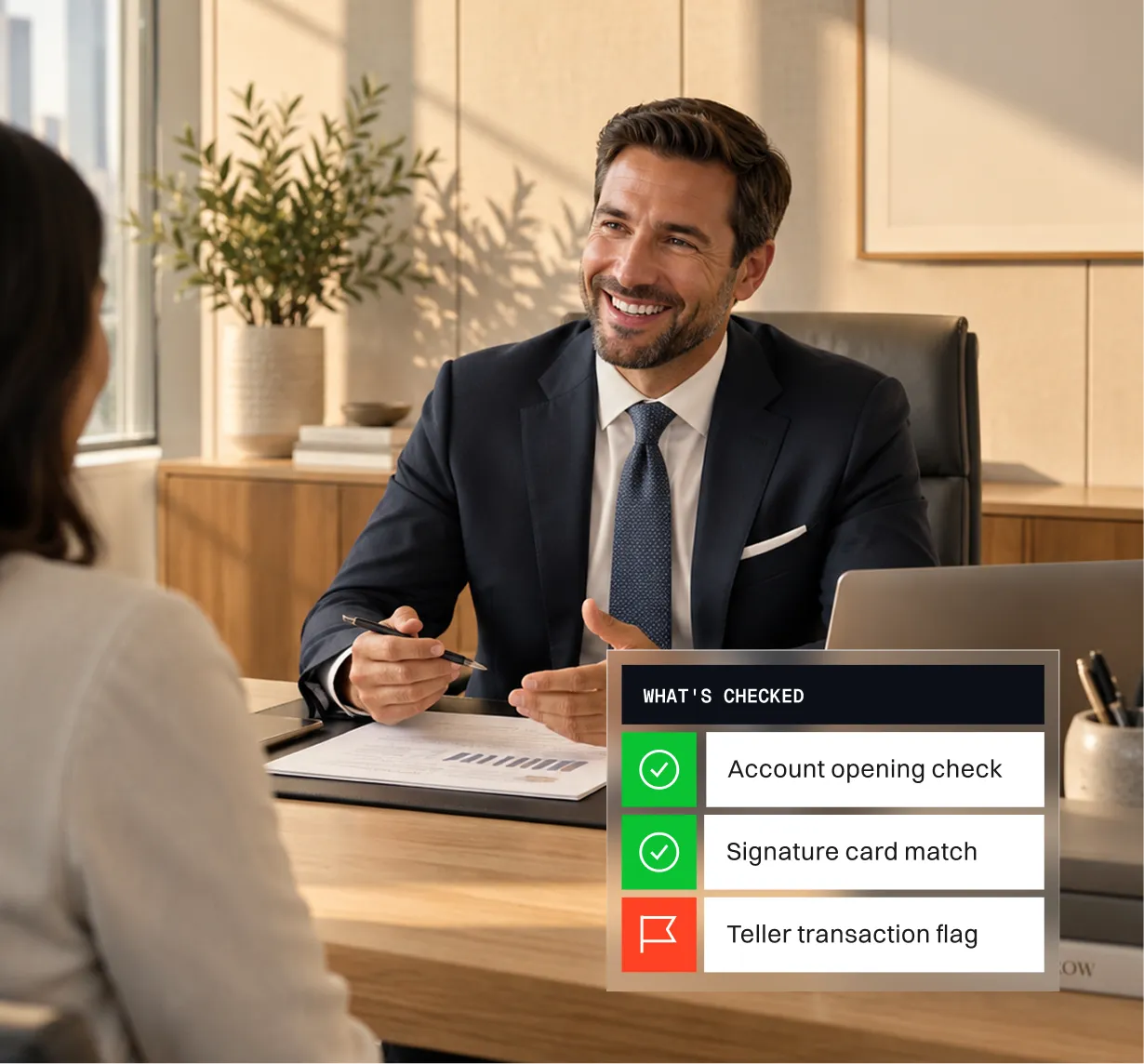

Fraud gets in before your defenses turn on
Most identity systems confirm data rather than authenticating the ID. So when a counterfeit passes the counter, everything downstream trusts it. Fraud detection, KYC, and AML monitoring all inherit a mistake made at the counter.

Visual inspection
Accuracy depends on bank staff judgement and familiarity with ID types

Barcode or OCR scan
Counterfeits duplicating a barcode can still pass through the bank gate

Digital verification
Doesn’t authenticate physical ID presented during in-person interaction
Security questions
Can be guessed or answered using compromised personal information
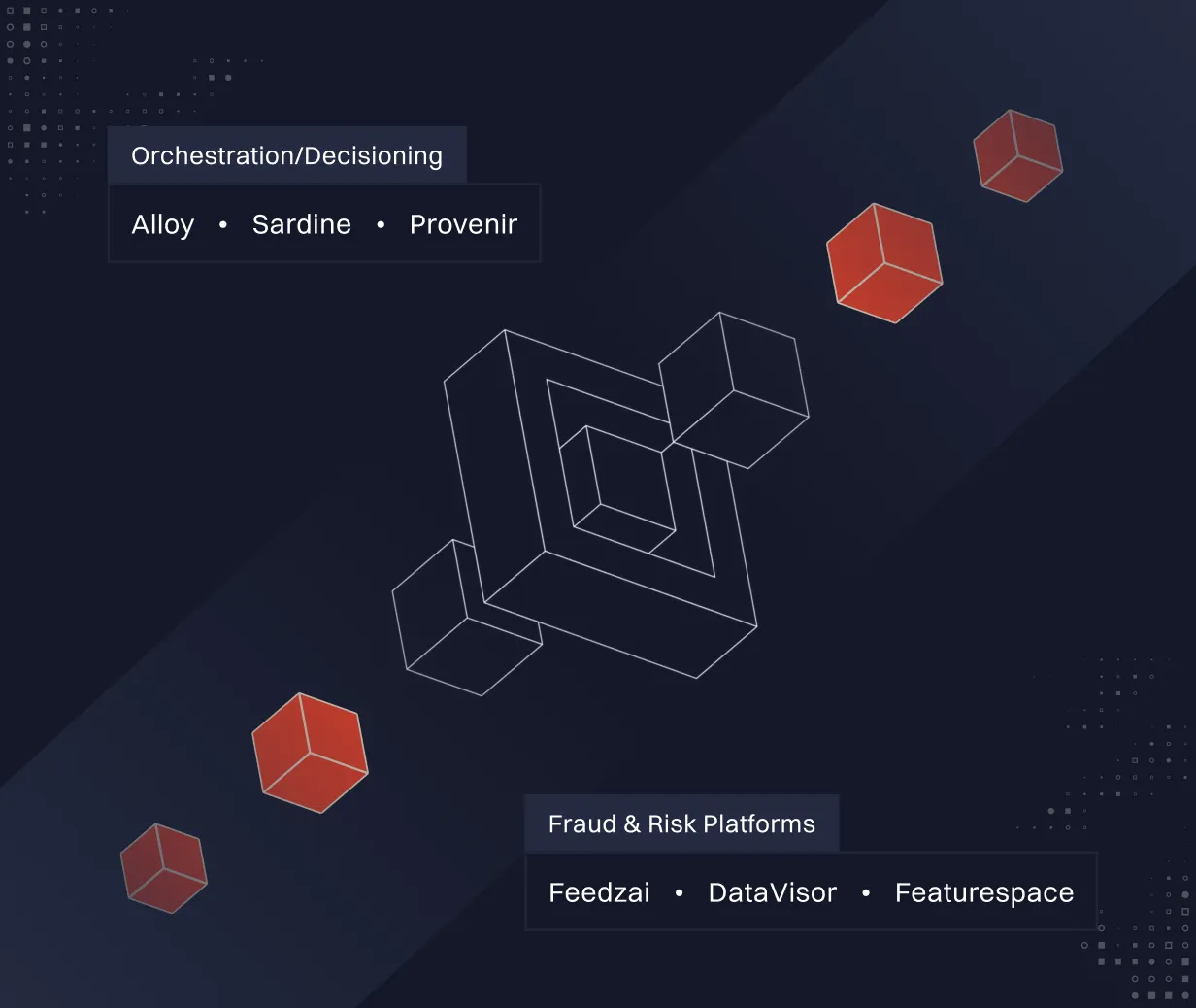
Prevent fraud in the moments that carry the most risk
Veridocs authenticates the ID, matches the person, screens against watch lists, and returns a pass-or-alert verdict based on your policies. That identity then becomes the source of truth for records, compliance, and audits.

New-account fraud prevention
Authenticate the applicant's ID before the account opens, so the customer record starts from a verified identity.

Check-cashing and transaction fraud
Confirm the ID before releasing funds on checks and transactions that are hard to claw back.
.svg)
High-risk account servicing
Block fakes and fraudsters during sensitive changes, such as card replacements, address updates, and high-value withdrawals.

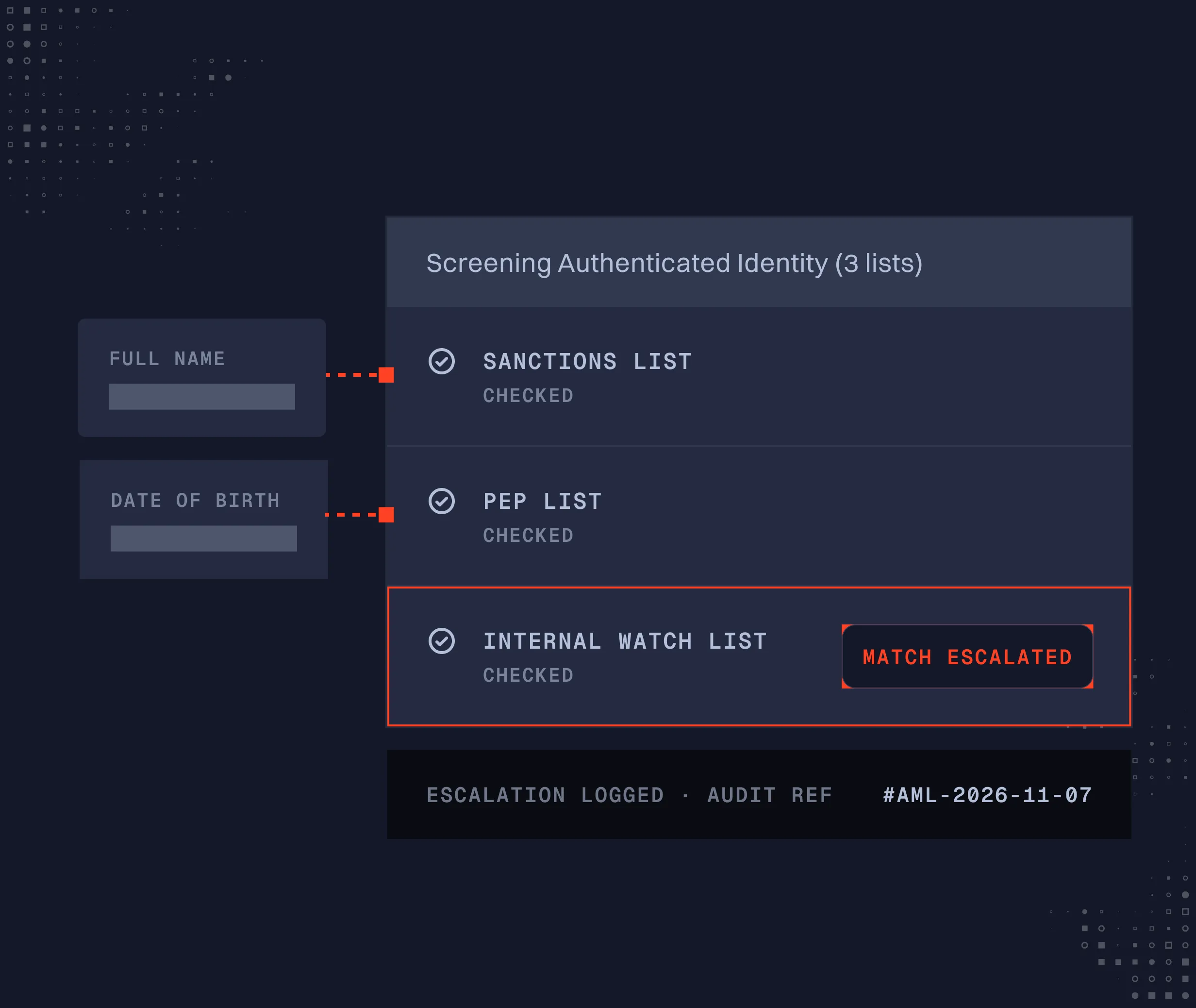
KYC, AML, and watch list workflows
Feed authenticated identity data into watch list screening and monitoring, with documented escalation.

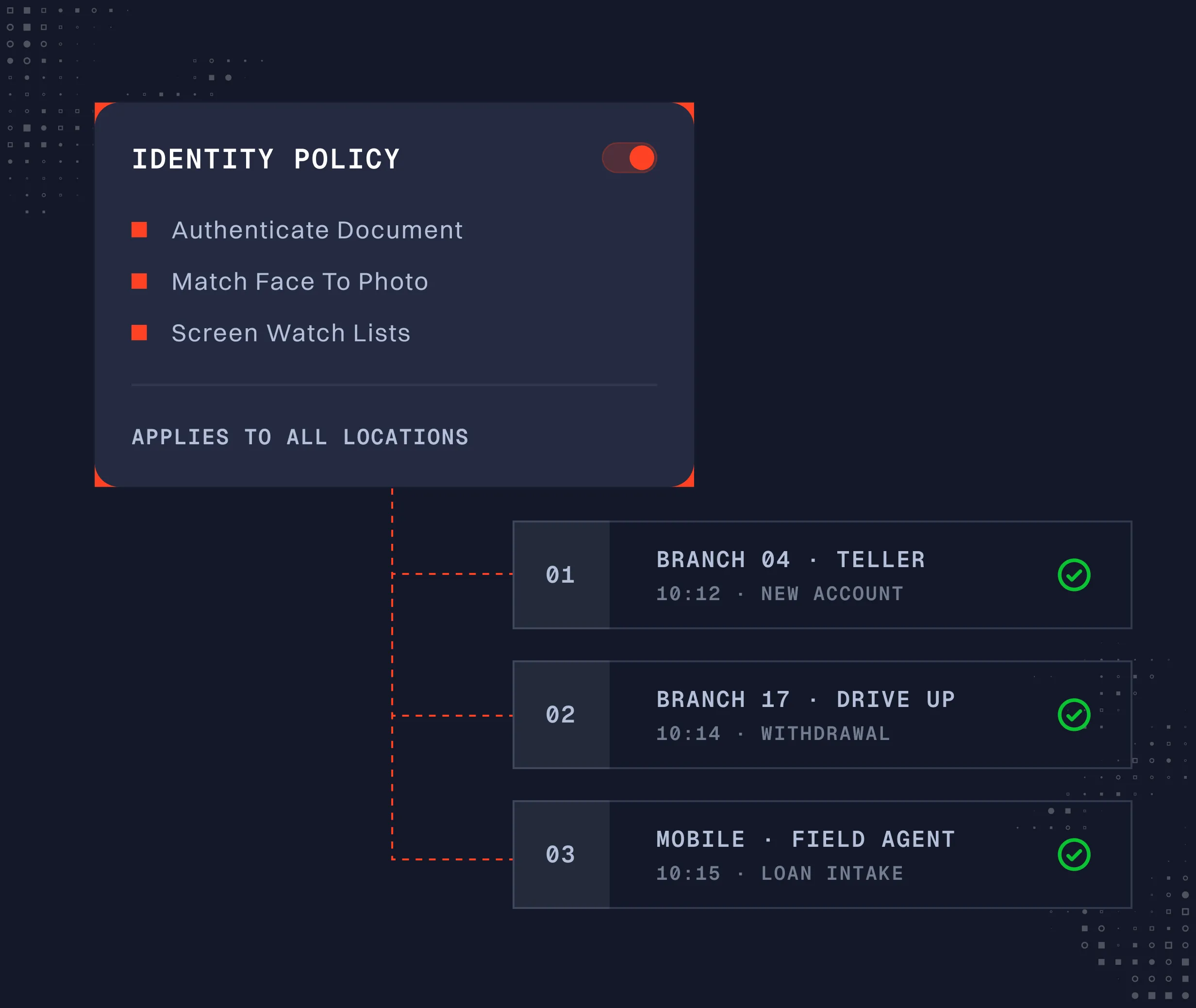
Enterprise identity standardization
Apply a single identity process across all branches, roles, and transaction types, rather than relying on individual staff judgment.

Loan applications
Verify the applicant before underwriting begins, so credit doesn't go to a stolen or fabricated identity with no intent to repay.
.webp)
.webp)
.webp)
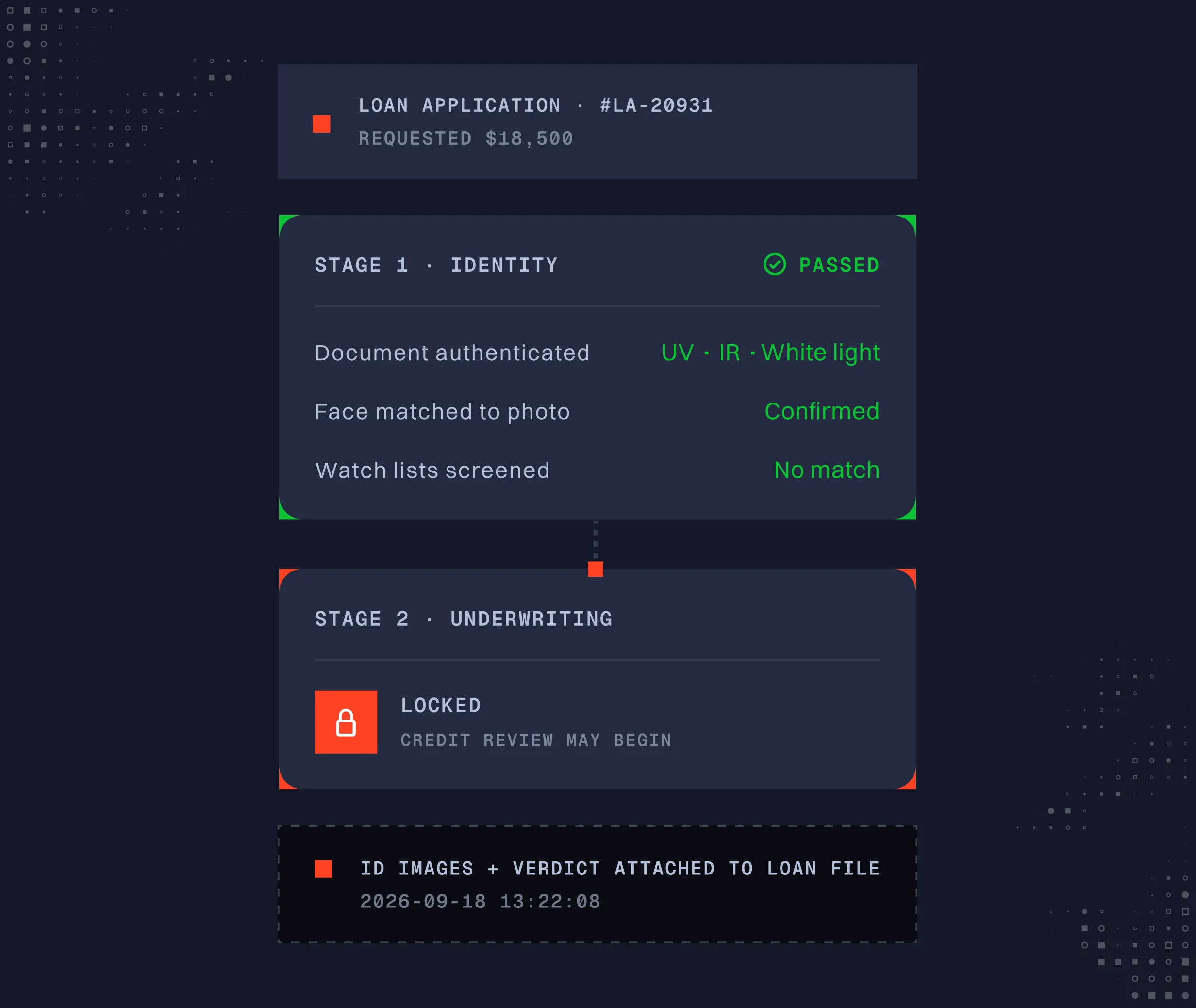

The ROI goes beyond the fraud you detect
Direct losses drop: Fewer losses on fraudulent transactions, check fraud, and account takeovers
Risk exposure drops: Fewer CIP/KYC gaps, audit findings, and missed watch list matches
Customer experience improves: Faster transactions and less onboarding friction for real customers

How Investar used Veridocs’ ID authentication to prevent frauds
The Problem
Investar wanted a better way to validate IDs at teller lines and prevent fake-ID-driven new-account opening & check fraud. A previously tested scanner was too difficult for routine branch use.
The Solution
Investar embedded identity authentication directly into branch workflows and made it standard for all in-person transactions. Every ID is now checked at the counter across new-account opening, check cashing, and money-order purchases.
The Result
Standardized ID checks across branches
Stronger CIP evidence
Caught fraudulent IDs used against real customers' accounts


Why security, compliance, and IT teams say yes

Keep data behind your firewall
Documents and identity data
stay in your preferred environment and governance framework.
Keep an audit-ready record
Maintain a complete audit
trail of every identity verification for BSA/AML, SAR, and CIP requirements.
Integrates with existing systems
Connects with your existing
systems, from core banking platforms to identity and access management.
Recognized by the bodies that set the standards












What is identity verification for banks?
Identity verification at a bank confirms two things in person: that the ID presented is a genuine government document, and that the person presenting it is its rightful holder. It's the first control at the branch, and the one that account opening, KYC, and AML checks all depend on.
What is physical ID authentication, and why do banks need it?
Physical ID authentication proves the document itself is real by examining its materials, printing, and security features under multiple light sources. Most identity checks confirm the data on an ID, not the document. A counterfeit can carry valid-looking data and pass a data check while failing authentication, which is why the physical layer matters.
What does branch identity verification cover beyond account opening?
Every high-consequence in-person moment: check cashing, high-value withdrawals, account servicing, and money-order purchases. Applying one authentication standard across every branch and transaction replaces inconsistent, staff-by-staff judgment with a single documented process.
How does Veridocs support KYC identity verification?
KYC depends on knowing the customer's identity is genuine from the start. Veridocs feeds authenticated identity data into your KYC process and screens each identity against watch lists at entry, so the identity you're building a customer profile on is verified, not assumed.
How does Veridocs help with check fraud prevention?
Veridocs confirms the person and authenticates their ID at the counter, which catches fraudulent identities used to cash real customers' checks.
How does Veridocs help credit unions prevent fraud?
The same way it does for banks, applied to member interactions. Credit unions face fake IDs used to open accounts, take cash advances, and apply for loans across multiple branches. Authenticating the ID and verifying the member at each interaction closes that gap and keeps a consistent record across locations.
Does Veridocs do AML watch list screening?
Yes. Veridocs screens each identity against watch lists at the point of contact, and monitors enrolled records over time as those lists change. Screening catches a match today; monitoring catches one that appears later.
Verify the identity before the money moves. Be Certain.